Girls Week · Guanaja · 17, Idaho
It Was Guanaja
By Olivia Ashby
5 min read
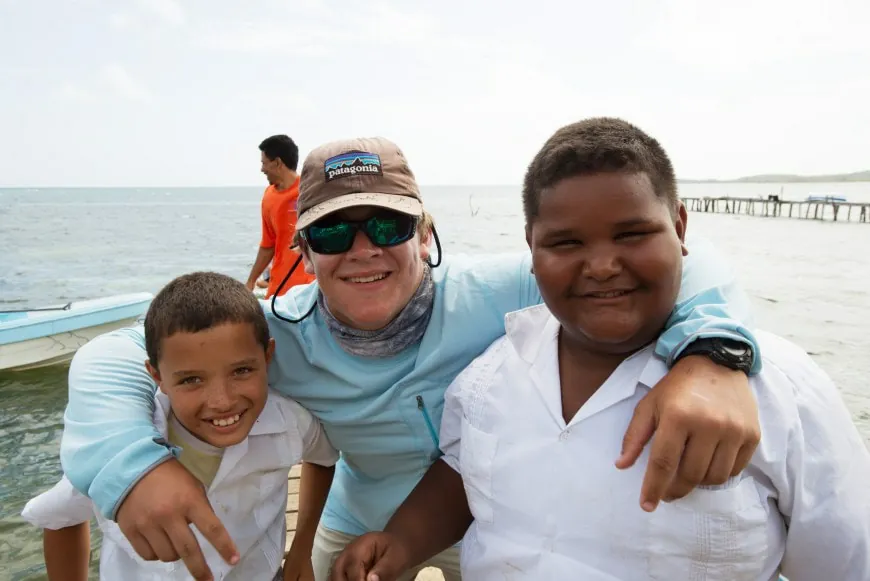
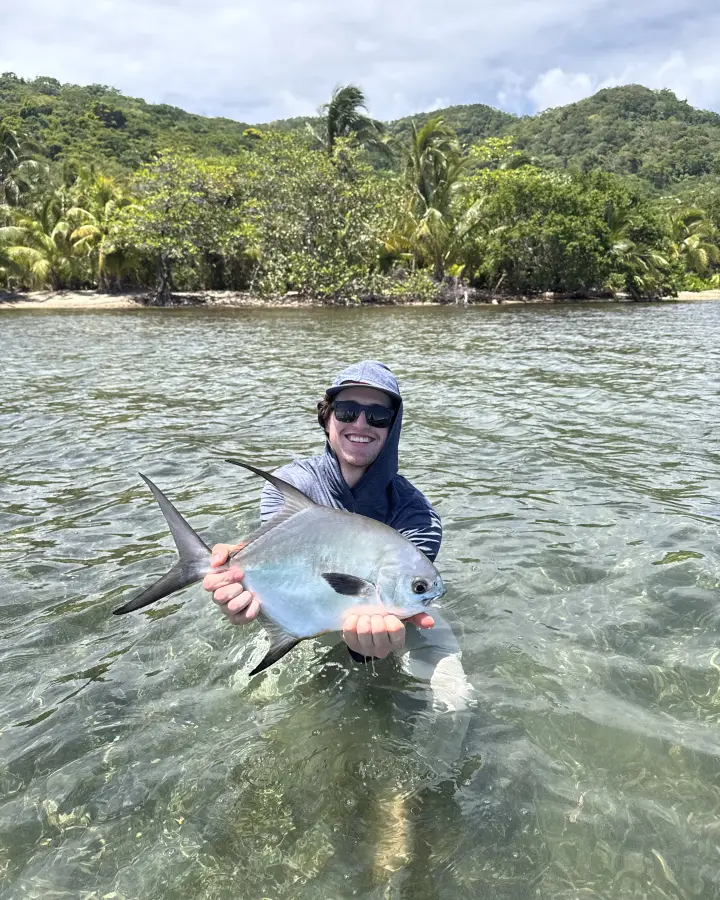
My arms felt exhausted. Fly fishing in Idaho for trout seemed simple compared to learning the double haul and casting 75 feet into some abyss called sargassum. Bryan's voice always seemed urgent, as though if I didn't do exactly what he said, my whole trip and experience would be a complete failure. Strip! Strip! Strip! Strip! I was frantic to follow his instructions, hoping that it would lead me to catch anything swimming under the saltwater surface. Set! I did it. I stripped my line back instead of lifting straight up as I had done so many times before with rainbow trout. A big fish jumped out of the water, creating a straight line four feet above the surface from the tip of my rod to the mouth of a tarpon. I knew what it was. All of my preparation had paid off. I had watched videos, read books, and practiced my set, cast, and strip in hopes of catching the famous silver king. I was excited. But my excitement reached its highest level because of the people I was with, the experience I had, and the things I was learning. Catching a fish is always exciting—"the tug is the drug"—but this was different. It was special. So special. I loved the scenery, the culture, and the little boy who belonged to my guide and helped me put the prize in the net, even if he couldn't lift it. I jumped in the water. My smile was so big that the salt water on my face was something I could taste, something I had never felt or tasted before. I had never experienced anything like this. I had caught many fish, but this was different than just fishing... It was Guanaja.
I am fairly new to fly fishing; I caught the bug about a year ago when my dad took me out on the Portneuf River in Idaho for the first time. It was raining so hard I could barely see my indicator, but on my second cast I had one on immediately. That's when my love for fly fishing bloomed. Not long after, my dad showed me a video about a nonprofit organization called Fish for Change that uses fly fishing to connect young people with conservation, local communities, and cultures around the world through experiential learning. What caught my eye most of all was the thought of being overwhelmed by the idea of a fishing trip in a different country, in saltwater, as someone who had never seen the ocean or been out of the country.
Little did I know that Fish for Change would become so much more than just an opportunity to learn to fish in saltwater. While its goal is to connect young people to conservation and culture through fly fishing, the program helped me build confidence and develop true empathy for others, especially when I found myself in their shoes and saw what the other girls were going through. I found myself caring deeply about the people I met and falling in love with Guanaja itself. Fish for Change taught me that the real "catch" wasn't just the fish, but the connections and growth that would shape the rest of my life.
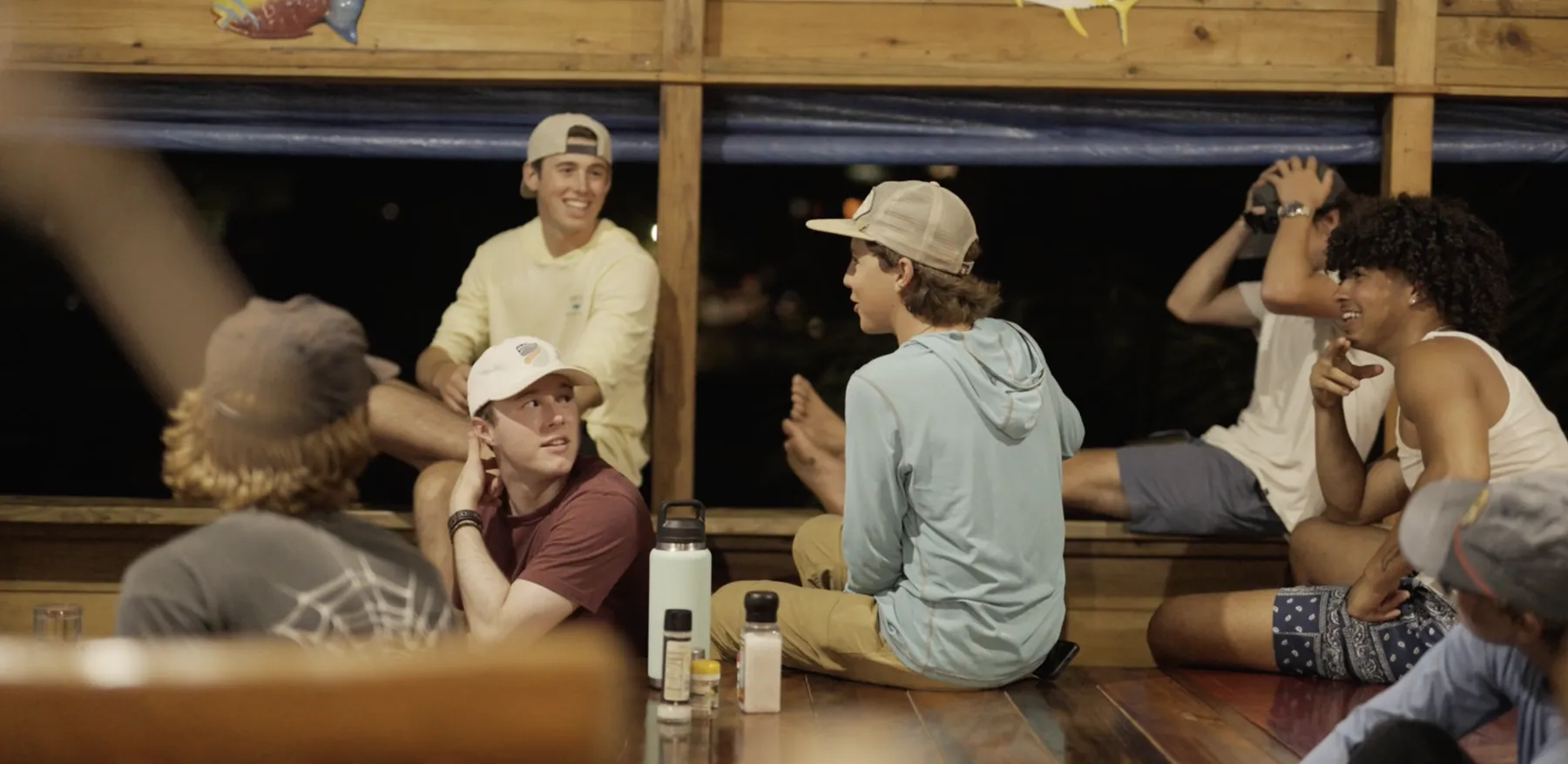
Not long after, I was experiencing Guanaja for the first time. The ferry ride was filled with excitement as the girls on the trip got to know each other. My mind was filled with questions like "What if I am not as skilled as most of the people here?", "What if I don't get along with the girls?", and "What if, after all of my preparation, I can't make the most of this experience?" As the trip started, I remember feeling a combination of excitement and nervousness, especially when I first met the other girls. I wondered whether we would have a lot in common and whether I could truly be myself around them, and I was anxious to see what we all could bond over. Heather Harkavy, a trip director and leader of Fish for Change, would lead us in small-group circles, where every night we would write down what we were thinking and become vulnerable, sharing what we were feeling and going through. As I sat listening to the other girls share their tales and hardships, I realized I wasn't alone at all. It turns out a lot of us were dealing with the same things teenage girls deal with. Hearing what everyone else was going through made me feel acknowledged and way less alone, especially because we were all struggling with something so similar. Our nightly circles ended up being one of my favorite parts, mostly because there was something really soothing about knowing we were all figuring things out together, and it definitely wasn't just the humid air making me feel warm inside and out.
There was something so unique about being around people who share your interest in fly fishing. I can't think of one girl I was around all week who was the same as another. We were all so different. Fly fishing was our way of connecting, and we did it in the best possible place: Guanaja. I fell in love with the lifestyle and the friends I made on the island, and I have realized how important it is to cherish these relationships because they are so special. I know I was there for a reason, and I am so grateful it could happen.
As I came back to reality on my flights home, I went through all the feelings. I remember sitting in the noisy airport, waiting for my flight home, and thinking, "Guanaja was never like this." But I kept thinking back to the friends I made on the trip and how grateful I am to have something and people to miss. Because if I didn't, it wouldn't be as special an experience. Don't get me wrong, catching all those fish was absolutely amazing, but what I really caught was lifelong friendships and lessons I will carry throughout my life, all because of the impact of a small island and community. If I had it my way, every young girl and youth would have this opportunity, because it was truly impactful and will always have a special place in my heart.